ESRB Predictor
App that can accurately predict the ESRB Rating of a video game based on its content flags.
2 min read
Overview
Developed for the Machine Learning in Enterprise Systems course in a team of three, ESRB Predictor is an end-to-end machine learning project designed to accurately classify and predict ESRB content ratings for video games based on content flags (such as violence, blood, or suggestive themes).
Following the CRISP-DM (Cross-Industry Standard Process for Data Mining) framework, the project encompassed the full lifecycle: business understanding, exploratory data analysis (EDA), data pre-processing, model training, hyperparameter tuning, cross-validation, data warehousing, and web deployment.
Methodology & Machine Learning Pipeline
- CRISP-DM & Scenario Testing: Divided the dataset into controlled experimentation scenarios (evaluating outlier removal vs. retention and feature engineering like release dates). Scenario 2 (outliers removed) yielded the highest baseline performance.
- Model Selection & Hyperparameter Tuning: Trained and evaluated over 10 distinct classification algorithms using Scikit-Learn. Used Grid Search to fine-tune model hyperparameters for optimal performance.
- Cross-Validation: Executed stratified cross-validation across all scenarios to ensure robust model generalization and prevent overfitting.
- Data Warehousing & BI Dashboards: Stored cross-validation metrics, model evaluations, and hyperparameter results in a dedicated MySQL Data Warehouse, pairing it with interactive Tableau dashboards for visual performance comparison.
Web Application & Deployment
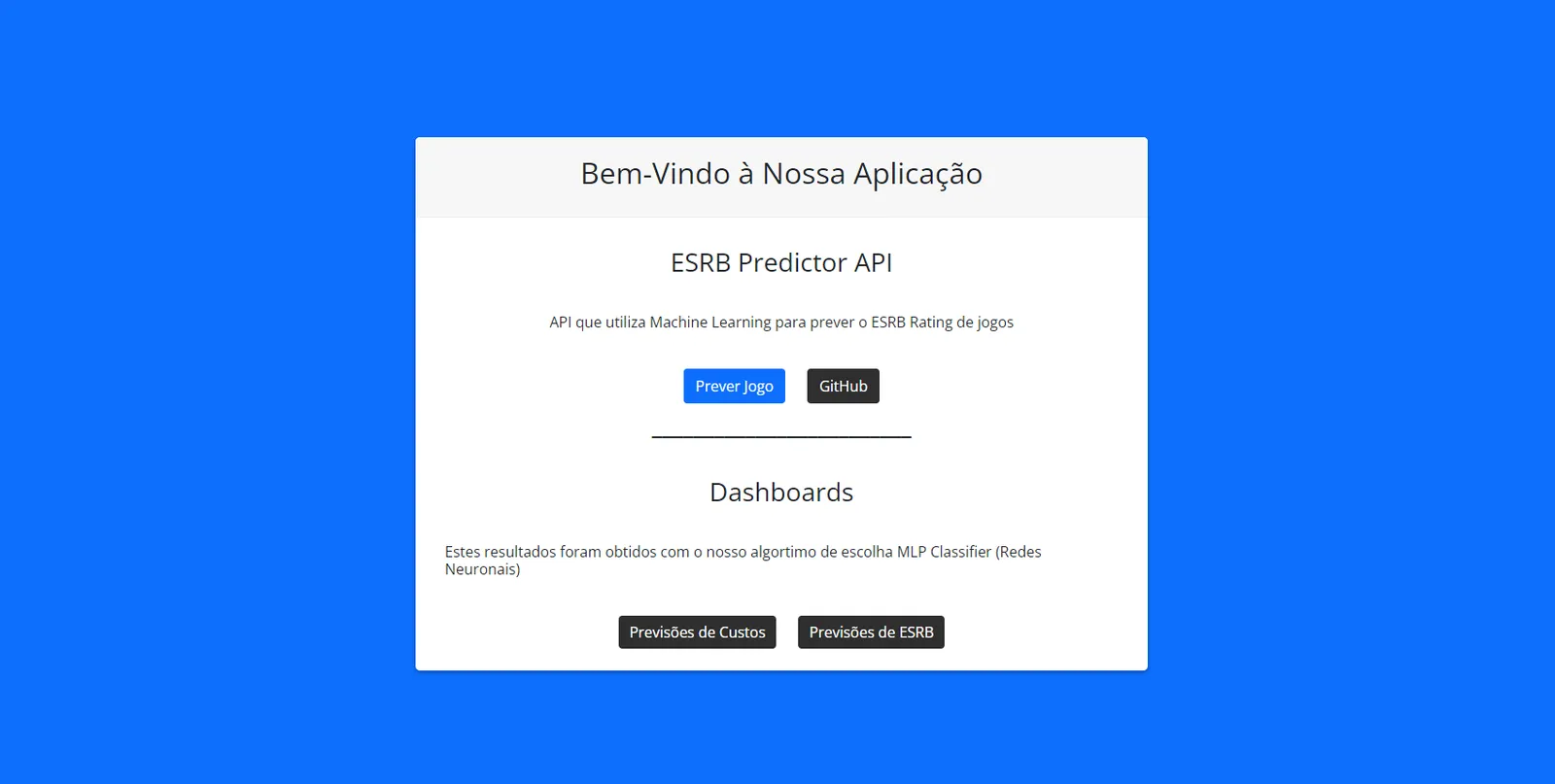
To make the predictive engine accessible to end users, a web interface was built using HTML/CSS and served via a Flask backend. The application was deployed to a Heroku instance, allowing users to input content descriptors and receive real-time rating predictions from the top-performing ML model.
Challenges & Key Learnings
- End-to-End ML Pipeline: Mastered exploratory data analysis, feature engineering, scenario testing, and model validation using Python’s data science ecosystem.
- Hyperparameter Optimization & Validation: Gained practical experience with Grid Search and Cross-Validation techniques to select and refine optimal classification models.
- Full-Stack Integration & Analytics: Successfully integrated a trained machine learning model into a web interface while establishing structured evaluation data warehousing in MySQL and Tableau, completing the course with a 19/20 grade.
Project Gallery